
How to File NIL GST Return Online
To file a NIL GST return online, first, ensure that you are registered on the GST portal and have your GSTIN (Goods and Services Tax Identification Number) readily available. Begin by logging into the GST portal and navigate to the ‘Returns Dashboard.’ From there, select the relevant financial year and month for which you are filing the return. Click on “Prepare Online,” and thoroughly review your information for accuracy before proceeding. Once you have verified the details, submit your return using your digital signature. It is essential to save the acknowledgment receipt for your records. If you are interested in understanding common mistakes to avoid and the critical deadlines associated with GST returns, continue exploring for further insights.
Key Takeaways
- Ensure you are registered on the GST portal and have your GSTIN ready for filing your NIL GST return.
- Log in to the GST portal, navigate to the ‘Returns Dashboard,’ and select the appropriate financial year and month for the return you are filing.
- Click on “Prepare Online” and accurately enter the necessary information before proceeding with submission.
- Confirm that your digital signature is available for the online submission process, as it is required for validation.
- After filing, save the acknowledgment receipt as proof of your submission and regularly monitor your compliance status with the GST regulations.
Understanding NIL GST Return

When you find yourself in a situation where you haven’t made any sales or purchases during a specific tax period, filing a NIL GST return becomes essential under Indian GST laws.
This filing serves as a declaration to the tax authorities that your business hasn’t engaged in any taxable transactions during that period. It’s important to maintain accurate records, as failing to file can lead to penalties or compliance issues.
Understanding this process helps ensure that you stay organized and compliant with GST regulations in India. Additionally, being aware of TDS and TCS mechanisms can further assist you in managing your overall tax compliance effectively.
To complete the NIL GST return, you’ll need specific information, such as your GST registration number and the relevant tax period.
The process of filing online is straightforward; being familiar with these key details guarantees that you take the necessary steps to maintain clear communication with tax authorities regarding your business activities.
Who Needs to File NIL GST Returns?
Who needs to file NIL GST returns under Indian regulations? If you’re a registered taxpayer under the Goods and Services Tax (GST) system and haven’t conducted any sales, purchases, or incurred any expenses during a specific tax period, you’re required to file a NIL GST return.
This obligation applies to all types of taxpayers, including those registered under the regular scheme, the composition scheme, and individuals who’ve registered for GST but haven’t engaged in any business activities.
Filing NIL returns is crucial for ensuring compliance with GST regulations and avoiding any potential penalties. Furthermore, it’s essential to understand that failing to file a NIL return timely may result in significant monetary repercussions due to penalties outlined for late filings.
Filing NIL returns is essential for GST compliance and helps prevent possible penalties.
Additionally, if your business has ceased operations or you have transitioned to a different taxation scheme, you’re still mandated to file NIL returns for any applicable tax periods.
It’s important to stay on top of this requirement to maintain accurate records and uphold your compliance status.
Prerequisites for Online Filing

Before you begin filing your NIL GST return online, there are several prerequisites to ensure a smooth process. First, confirm that you are registered on the GST portal. Second, have your Goods and Services Tax Identification Number (GSTIN) readily available, as it is crucial for the filing procedure. Lastly, ensure that your internet connection is stable to avoid any disruptions during the online filing.
Here’s a concise overview of the prerequisites:
| Prerequisite | Description |
|---|---|
| GST Registration | Confirm your registration status on the GST portal. |
| GSTIN | Retrieve your Goods and Services Tax Identification Number. |
| Internet Connection | Ensure a reliable and stable internet connection. |
Required Documents for Filing
Filing your NIL GST return in India requires a few essential documents to ensure accuracy and compliance with the Goods and Services Tax (GST) regulations.
First, you must have your GSTIN (Goods and Services Tax Identification Number), which is crucial as it uniquely identifies your business.
Next, collect your business registration documents, along with any previous tax returns you have filed, even for periods with no sales activity.
It is also beneficial to have your bank details readily available, as they may be necessary if any refunds are applicable.
Additionally, ensure that you have access to your digital signature, as it’s required for the online submission of your return.
Organizing these documents systematically will help streamline the filing process and mitigate any potential issues. Furthermore, reviewing your documentation against the annual GST return checklist will help confirm that every requirement is met.
It’s advisable to conduct a thorough review to confirm that all your documents are in order before initiating the filing process.
Steps to File NIL GST Return Online
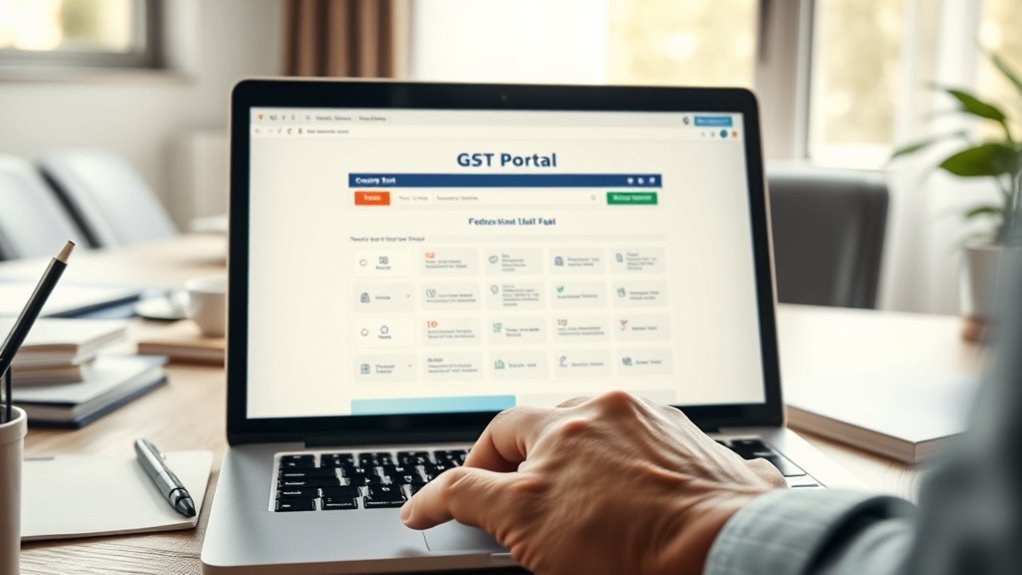
To successfully file your NIL GST return online in accordance with Indian laws and regulations, follow these straightforward steps to ensure compliance.
Start by logging in to the GST portal using your credentials.
After logging in, navigate to the ‘Returns Dashboard’ and select the appropriate financial year and month for the NIL return.
Click on “Prepare Online” and enter the necessary details, ensuring that you select “NIL return” where required.
Review all information to confirm its accuracy, then proceed to submit the return.
Upon submission, you’ll receive an acknowledgment reference number—it’s important to retain this for your records.
Lastly, make sure to submit your return within the stipulated due date to avoid any penalties and maintain compliance.
That’s it! You have successfully filed your NIL GST return online.
Common Mistakes to Avoid
Completing the NIL GST return successfully can sometimes be trickier than it seems, especially for those unfamiliar with the process. To help you avoid common pitfalls within the context of Indian laws and regulations, here are some mistakes you should watch out for:
- Not checking eligibility for filing a NIL GST return
- Forgetting to submit the return within the stipulated deadline set by the GST Act
- Failing to maintain proper records of sales and purchases as required under GST regulations
- Not verifying the accuracy of your details before filing the return, which can lead to compliance issues
- Overlooking the necessity of digital signatures where applicable, as mandated by the authorities
Important Deadlines to Remember
When it comes to filing your NIL GST return in compliance with Indian laws, keeping track of deadlines is essential.
It’s important to be aware of the frequency with which you must submit your returns, the key dates to watch, and the penalties associated with late filings.
Let’s break down these important points so you can remain compliant with regulations and avoid any unforeseen complications. Additionally, understanding GST audit requirements is crucial for ensuring compliance and navigating the complexities of the tax system.
Filing Frequency Overview
Understanding the filing frequency for NIL GST returns is essential in India, especially since failing to meet deadlines can result in penalties.
It’s important to know how often you’re required to submit these returns to ensure compliance with the Goods and Services Tax (GST) framework. Here are a few important aspects to keep in mind:
- Most businesses in India file their returns on a monthly or quarterly basis, depending on their turnover and classification under the GST regime.
- If your aggregate turnover is below the specified threshold limit, you may qualify for less frequent submissions, such as quarterly filings.
- Return periods generally align with either the financial month or the calendar month, as applicable.
- It’s imperative to keep track of the due dates for each filing period to avoid any complications.
- Additionally, familiarize yourself with the local GST regulations and state-specific guidelines, as they may vary across different Indian states.
Key Submission Dates
What’re the key submission dates you need to remember for filing NIL GST returns in India?
First, it’s important to understand that NIL GST returns are mandated based on your registration type, either quarterly or monthly.
For those filing on a monthly basis, the due date for submitting your return is typically the 20th of the month following the reporting period.
In contrast, quarterly filers usually have a deadline of the 22nd or 24th of the month that follows the end of the quarter.
It’s crucial to refer to the specific guidelines and regulations of your state, as the submission dates may vary slightly.
Staying organized and marking these dates on your calendar can help prevent any missed deadlines, and setting reminders can assist you in ensuring that you file on time, thereby maintaining compliance with GST regulations. Furthermore, understanding the importance of record-keeping can significantly aid in your GST management to avoid unnecessary penalties.
Penalties for Late Filing
Though you may be aware of the submission dates for NIL GST returns, non-compliance can lead to serious consequences.
Here are some key points to consider:
- Consequences of Late Filing: Delayed submissions can result in a daily penalty based on the type of return.
- Regulatory Maximum: There’s an upper limit on penalties that can be imposed for late filings.
- Impact on Business Reputation: Failure to file on time can compromise your business’s creditworthiness.
- Communication from Authorities: Non-compliance may lead to notices from tax authorities requesting explanations for the delay.
- Potential Legal Action: Persistent non-compliance could trigger legal repercussions.
- Importance of Timely Filings: Maintaining timely ROC filings is crucial to avoid unnecessary complications and maintain your company’s compliance.
Staying informed and ensuring timely filings can help you avoid these complications, so make a note of key dates and commit to meeting your filing obligations!
Post-Filing Actions
After you’ve filed your NIL GST return, there are a few important actions you should take to ensure compliance with Indian regulations.
First, make sure to save your acknowledgment receipt, as it serves as proof of your submission and is essential for record-keeping.
Additionally, update your financial records to reflect the filing of the return, and regularly monitor your compliance status to stay in line with GST requirements and avoid any potential issues in the future.
Save Acknowledgment Receipt
Once you’ve successfully filed your NIL GST return, the next essential step is to save the acknowledgment receipt.
This document serves as proof of your submission and is critical for future references under Indian regulations.
Here’s how to ensure that you have it stored properly:
- Capture a screenshot of the receipt once it appears on your screen.
- Save it as a PDF for easy access and sharing.
- Email it to yourself for added security.
- Print a hard copy and file it for record-keeping.
- Note down the acknowledgment number in your diary or digital files for future reference.
Adhering to these practices will help you maintain proper documentation and compliance with GST regulations in India.
Update Financial Records
It’s essential to update your financial records promptly after filing your NIL GST return according to Indian laws and regulations. This guarantees that all your accounts reflect accurate and up-to-date information, which is critical for your overall financial management.
Start by entering the details of the NIL return in your accounting software or ledger. This includes the filing date, acknowledgment number, and any other relevant information.
Next, review any related invoices or receipts to ensure they align with your GST records as mandated by the Goods and Services Tax Act. If you use a bank account for your business transactions, make sure to update your statements as well.
Regularly maintaining accurate financial records not only helps in monitoring your business’s health but also prepares you for any future audits by the tax authorities. Moreover, understanding the GST registration process is crucial if you plan to make any future adjustments to your tax filings. Don’t overlook this essential step in compliance with Indian regulations!
Monitor Compliance Status
Monitoring your compliance status after filing your GST returns is crucial to ensure that you have met all your GST obligations under Indian laws and regulations. This vigilance helps you promptly identify any issues that may arise and ensures that all requirements are fulfilled.
Here are some important aspects to keep in mind:
- Confirm the receipt of your filed return by checking for acknowledgment from the GST authorities.
- Stay vigilant for any discrepancies or alerts issued by the GST department regarding your returns.
- Review any official notices concerning unpaid dues or penalties that may be issued to you.
- Note all deadlines for any revisions or appeals you might need to make in response to notices.
- Keep a record of your filing trends for future compliance and reference.
Resources for Further Assistance
When navigating the process of filing a NIL GST return online in India, there are numerous resources available to aid you. The official GST portal is an invaluable resource, featuring comprehensive guides and FAQs that address common queries and clarify the filing process.
Navigating NIL GST returns online in India is easier with the official GST portal’s guides and FAQs.
You can also explore instructional videos on platforms like YouTube, which provide step-by-step visual guidance to help you better understand each aspect of the filing procedure.
For personalized assistance, reaching out to a tax consultant can be beneficial, as they can offer tailored guidance based on your specific circumstances.
Additionally, community forums and social media groups contain members who’ve encountered similar challenges and are often willing to share their insights and experiences.
Utilizing these resources can help ensure that your filing experience is as smooth and straightforward as possible.
Questions
Can I File NIL GST Return Without a Digital Signature?
Yes, you can file a nil GST return without a digital signature. Ensure you have your login credentials ready, and follow the online process through the GST portal to complete your filing successfully. The GST portal provides a user-friendly interface that guides you through the necessary steps to submit your nil return efficiently, adhering to Indian laws and regulations.
Is There a Fee to File NIL GST Returns Online?
Filing your nil GST returns online is a free and straightforward process under Indian regulations. This allows taxpayers to efficiently and effortlessly meet their taxation obligations while ensuring compliance with the Goods and Services Tax (GST) law. The online platform is designed to simplify the filing process and facilitate a smooth experience for all users.
How Can I Check the Status of My NIL GST Return?
To check the status of your NIL GST return, you can visit the official GST portal. Once there, log in using your credentials. Navigate to the “Return Dashboard” section, and select “NIL Return” to view the status of your submission. This process allows you to stay informed about the current status of your GST returns in accordance with Indian laws and regulations.
What Happens if I Miss the Filing Deadline?
If you miss the filing deadline for your NIL GST return under Indian regulations, you may incur certain penalties and interest charges. It is advisable to file your return as soon as possible to mitigate any potential repercussions. Timely filing is crucial to ensure compliance with GST laws and to avoid complications in the future.
Can I Revise My NIL GST Return After Submission?
Yes, you can revise your NIL GST return after submission under Indian law. However, it is essential to do so within the specified time frame and adhere to the procedures outlined by the GST portal for making revisions.